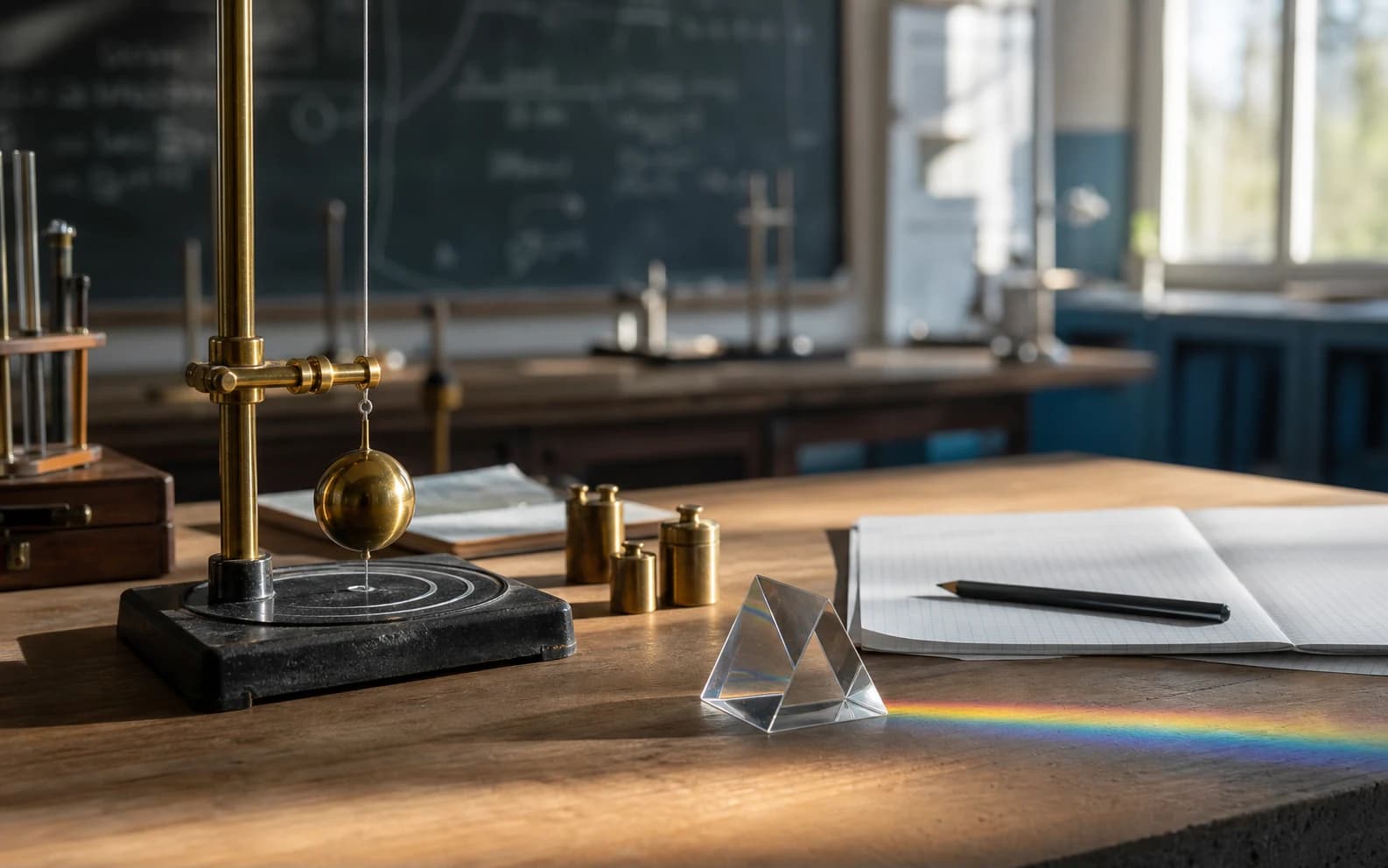
Science is not a collection of finished answers. It is a disciplined way to ask what might happen, design a fair test, and use evidence to improve an explanation.
Studio
Bring me the science facts that refuse to connect; we’ll predict, test, and rebuild them into an explanation that truly makes sense.

Science is not a collection of finished answers. It is a disciplined way to ask what might happen, design a fair test, and use evidence to improve an explanation.

Every lesson begins with a phenomenon students can picture: a balloon that bends a stream of water, a cart that keeps moving, a colour that changes, or a circuit that suddenly works. We make a prediction before introducing the formal vocabulary.
Experiments are chosen for what they reveal, not simply for spectacle. Students identify variables, record observations, compare results, and learn why a surprising outcome is useful evidence rather than a failed activity.
For Years 7–9, we connect practical investigation to the models used in school science. Forces, particles, energy, cells, and ecosystems become related ideas rather than separate chapters to memorise.
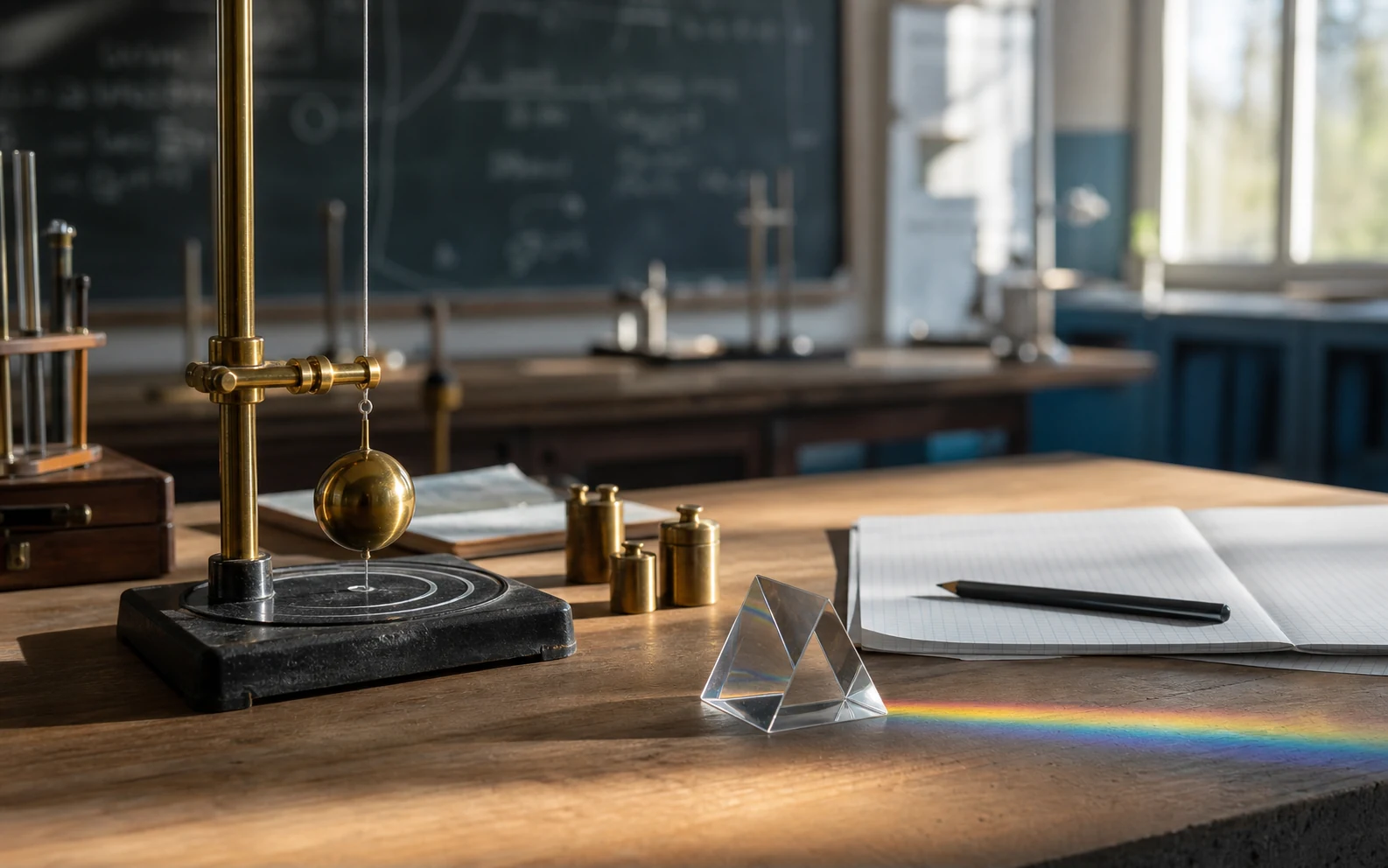
Students leave knowing how to support a claim, question a result, and explain a scientific idea in their own words. That confidence carries into practical reports, tests, and the next experiment they encounter.
Come for the fizzing and surprising results; I’ll show you how to turn each one into a fair test and an explanation you can defend.